Many casino visitors dream of walking away with substantial profits, but long-term success requires a firm understanding of mathematical realities. While chance determines individual outcomes, statistical probabilities dictate the overall environment. Learning how the mathematical edge operates is the most reliable starting point for any realistic gaming strategy.
The Reality of the House Edge
Every casino game is built with a built-in mathematical advantage known as the house edge. This percentage represents the average proportion of total bets that the casino retains over time. Over millions of rounds, this margin guarantees that the establishment generates steady revenue regardless of short-term player victories.
Understanding this concept allows players to distinguish between pure chance and calculated risk. Games with low house edges offer significantly better retention of capital compared to pure probability titles. Choosing options where mathematical design favors the player helps preserve bankrolls for longer sessions.
Selecting Games with the Best Statistical Return
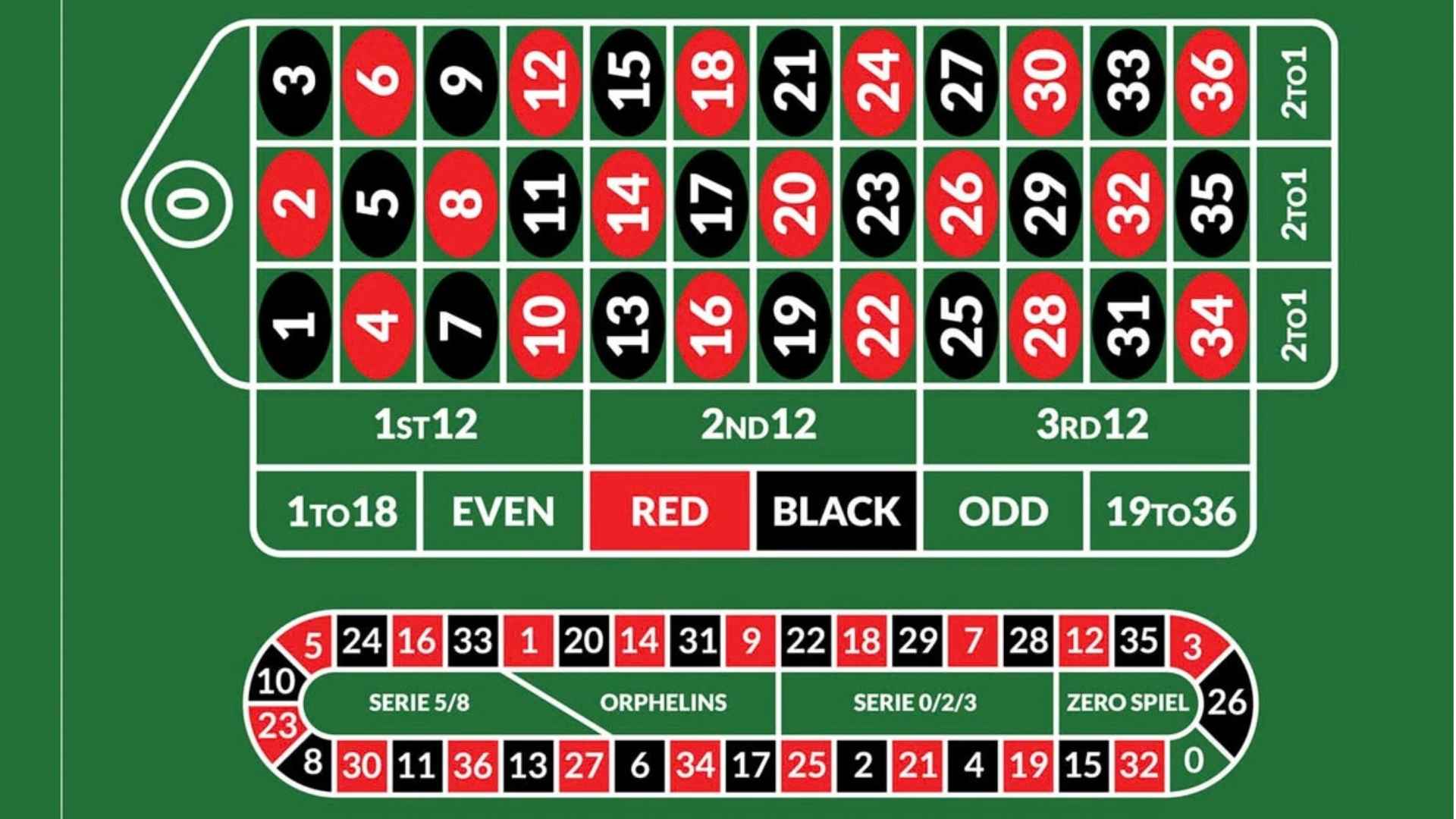
Table games like blackjack, baccarat, and French roulette consistently offer better mathematical odds than electronic gaming machines. Blackjack, when played using basic strategy, can reduce the house advantage to less than one percent. Baccarat also features low margins on simple banker or player wagers, making it popular among strategic bettors.
For those researching online gaming options, exploring established platforms like m88 sport login can provide access to diverse table options with competitive payout structures. Players should always examine payout ratios and rulesets before committing real funds. Identifying advantageous rules directly improves a player's theoretical return over time.
Skill Versus Pure Chance
Casino offerings generally divide into skill-based games and games of pure chance. Skill-based titles, including poker and blackjack, allow informed decisions to directly impact the game's outcome. Players who master optimal decision-making minimize unnecessary losses and exploit profitable scenarios.
In contrast, slot machines and roulette rely entirely on random number generators or mechanical spins. No amount of strategy can alter the fixed mathematical probability of these random events. Recognizing this boundary prevents players from wasting resources on ineffective systems.
Managing Capital and Expectations
Effective bankroll management remains the single most impactful discipline for managing casino play. Establishing strict stop-loss and profit-target limits prevents emotional decision-making during volatile streaks. Treating casino activity as entertainment rather than guaranteed income creates a sustainable mindset.
Ultimately, the best way to approach casino wagering is to minimize risk while capitalizing on temporary variance. Short-term winning streaks happen frequently, but disciplined players know when to walk away with their winnings. Balancing realistic expectations with proper strategy remains the safest path forward.