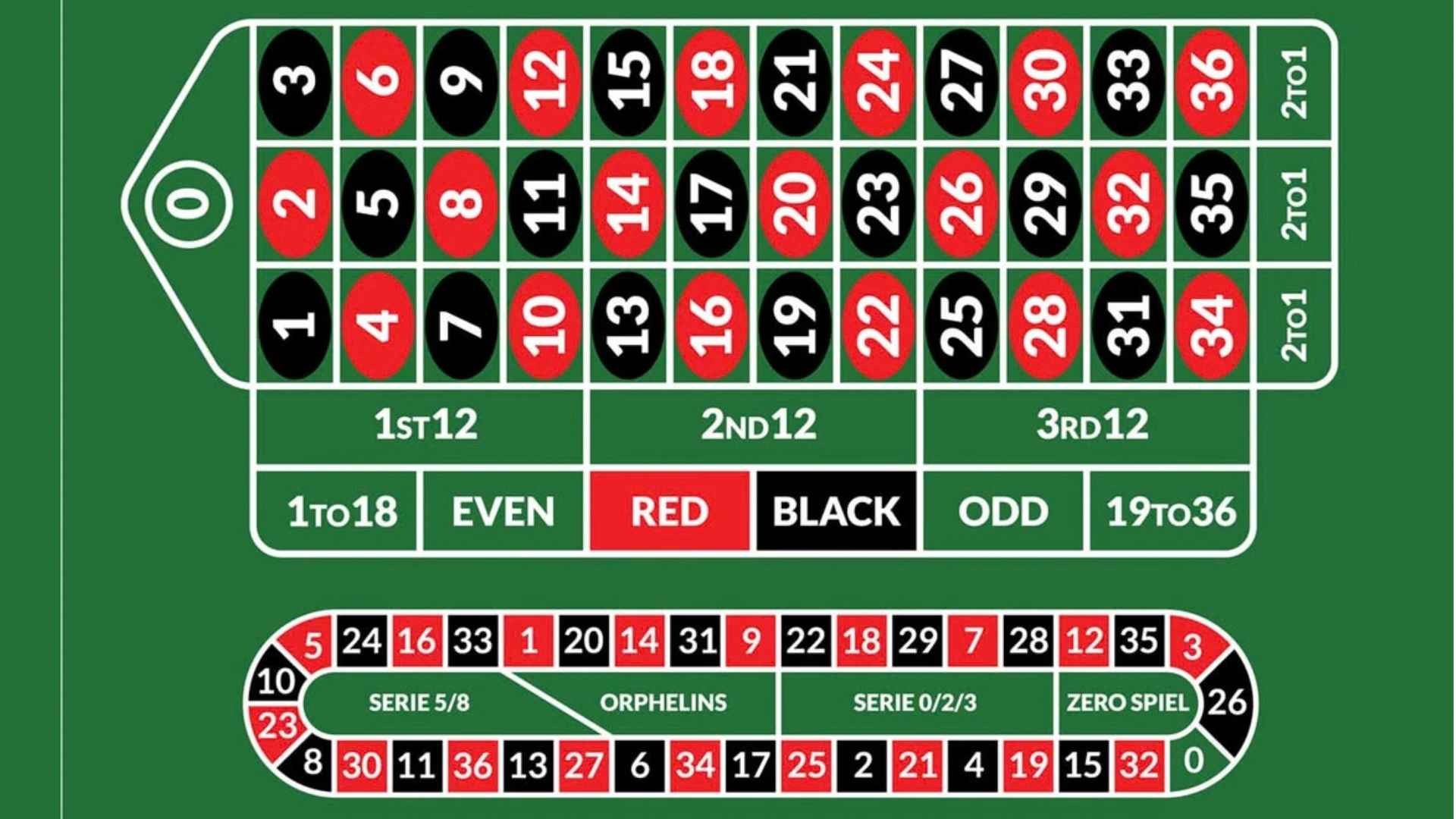
The global entertainment sector is experiencing a fascinating shift as straightforward interactive systems capture a massive wave of new enthusiasts. While video game designs often embrace massive open worlds and dense strategic systems, wheel-based layouts present a refreshing return to pure, accessible anticipation. This timeless structure has seamlessly moved from traditional fairgrounds into advanced digital platforms, building an enduring appeal that spans generations.
The Emotional Journey of Micro Moments
The lasting fascination with a rotating interface relies heavily on how human psychology handles structural uncertainty. As a segmented circular layout begins to lose momentum, participants experience a natural surge in focus and emotional engagement. This brief period of deceleration turns a basic selection process into a deeply captivating narrative where everyone watches the pointer click against individual edges.
Furthermore, having all possible outcomes completely visible on the screen establishes a level of transparency that players appreciate. Unlike hidden algorithmic calculations, a physical or digital wheel maps out every reward option simultaneously. This unique presentation triggers genuine curiosity, allowing users to feel fully connected to the active turning process from start to finish.
Modern Software and Auditory Enhancements
Contemporary digital software continues to elevate traditional configurations by integrating fluid animations and high-fidelity graphic packages. Software developers use distinct sound engineering profiles to amplify the dramatic progression of a spinning round. These synchronized sensory feedback loops transform standard loyalty programs and promotional modules into unforgettable media milestones.
Many prominent online brands implement these vibrant interfaces to diversify their casual entertainment options and keep their user pathways lively. For instance, platforms featuring an active m88.com login regularly include custom prize wheels to welcome incoming communities with instantaneous, straightforward gameplay. This modern execution proves that classic concepts can remain incredibly relevant when paired with smooth interface technology.
Diverse Aesthetics and Reward Structures
Another driving factor behind the ongoing popularity of these titles is the incredible flexibility found in thematic design. From historic archaeological motifs to bright futuristic space environments, the visual wrapper alters the entire mood of the interface. This creative freedom allows creative studios to design targeted games that speak directly to highly specific consumer groups.
Beyond the artistic layout, the actual division of prize systems has evolved significantly to sustain interest over extended periods. Modern iterations mix physical merchandise, digital tokens, progressive point multipliers, and surprise mystery tiers together on a single surface. This meticulous structural planning guarantees that every single rotation provides balanced value, keeping the overarching gameplay loop healthy and sustainable.
The Technological Outlook for Rotational Design
As interactive communication platforms move toward greater virtual immersion, wheel layouts are poised to adopt new software properties. Augmented reality setups could soon allow global audiences to interact physically with customized digital selectors inside shared virtual environments. This technical progress will likely deepen long-term consumer retention by converting simple tapping gestures into fully tactile adventures.
Ultimately, the timeless balance of simple physics and spontaneous discovery ensures that these mechanics will always find a secure home in modern media. They offer a flawless, stress-free alternative to intensive tactical titles while still supplying excellent visual satisfaction. By focusing on transparent design and creative variety, contemporary software designers ensure that the timeless thrill of the spin continues to attract new audiences every day.