Las Vegas has long been recognized as the entertainment capital of the world, built on a foundation of legal gambling that dates back nearly a century. While modern resorts feature high-tech video slots and complex table games, the roots of Nevada gaming trace back to much simpler, traditional offerings. Uncovering the history of early gaming reveals how classic titles shaped the modern casino landscape.
The Arrival of Legal Gambling in Nevada
Nevada officially legalized gambling in 1931, paving the way for small saloons and hotels in downtown Las Vegas to secure official licenses. Before massive mega-resorts lined the Boulevard, modest venues hosted early forms of card games and mechanical slots to entertain local workers and travelers. These early operations established the foundational mechanics that modern casinos still rely on today.
Among the earliest legal table games introduced to patrons was roulette, alongside basic card games like blackjack and poker. Early venue owners favored these games because their rules were simple to understand and required minimal equipment to operate. Over time, these classic titles became essential staples across every gaming floor in southern Nevada.
Identifying the Oldest Casino Game in Las Vegas
When looking at the earliest records of licensed gaming in downtown Las Vegas, mechanical slot machines and traditional poker hold the title of the oldest legal casino games. The Golden Gate Hotel and Casino, originally opened as the Hotel Nevada in 1906, was among the first properties to host early gaming devices. These original mechanical reel machines laid the groundwork for the modern slot gaming industry.
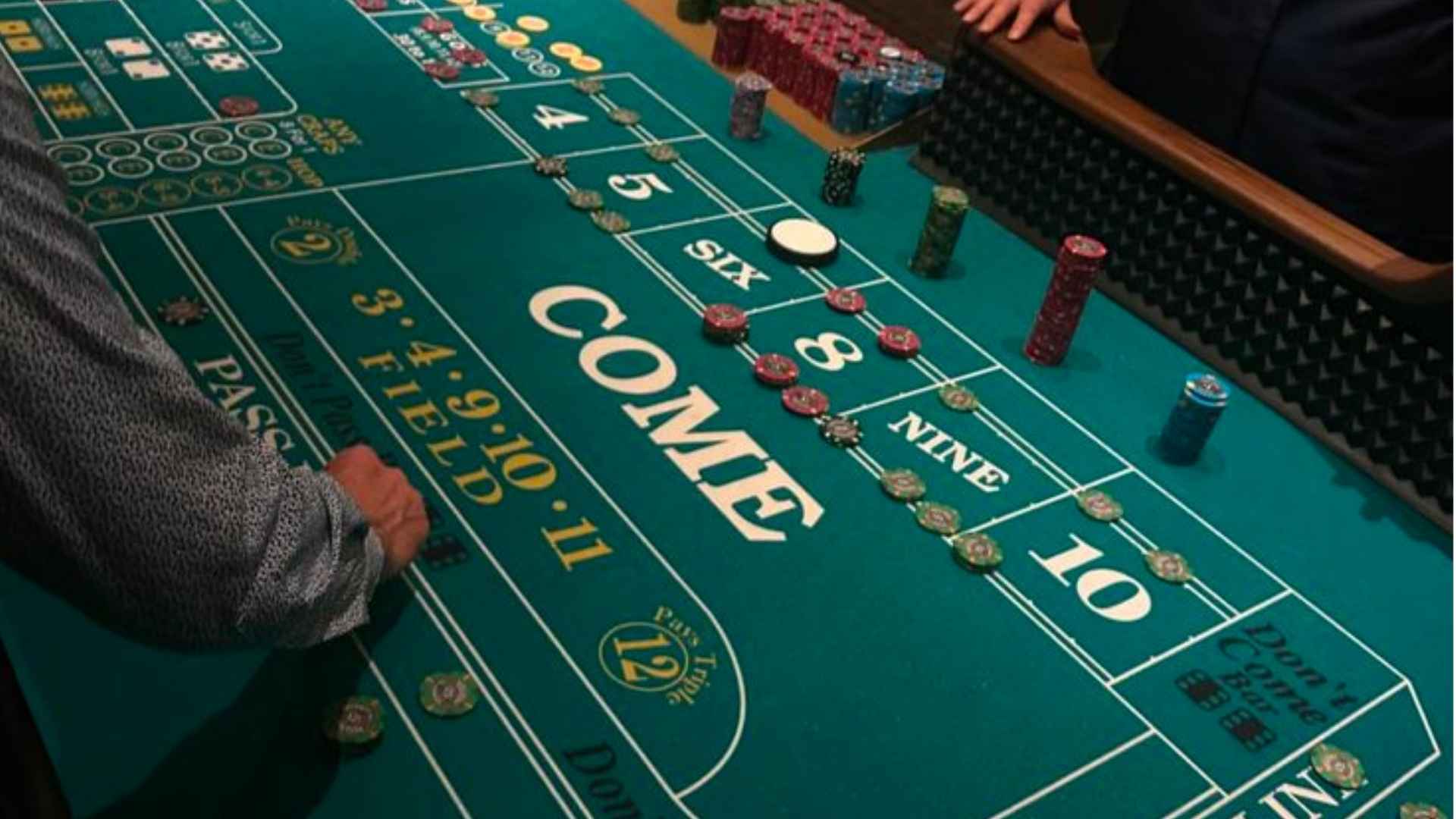
Alongside mechanical slots, early versions of twenty-one and craps were routinely played in historic downtown venues. Players interested in exploring how classic card and table games evolved over the decades can visit platforms like m88 alternatif to compare modern digital formats with traditional gaming structures. The persistence of these core games highlights their enduring appeal across different generations of players.
How Historic Table Games Shaped Modern Gaming
The rules of early Las Vegas table games were designed to provide fair odds while maintaining a steady house edge for operators. As visitor traffic grew throughout the mid-twentieth century, casinos refined table layouts and dealing procedures to improve security and game speed. These adjustments transformed informal saloon games into standardized casino offerings recognized worldwide.
Blackjack and craps benefited significantly from this standardization, attracting both casual tourists and high-stakes gamblers. The social nature of these table games helped create the energetic atmosphere that defined classic Las Vegas culture. Today, despite technological advancements, the fundamental rules of these historic table options remain largely unchanged.
The Evolution from Mechanical Slots to Digital Floors
Early slot machines in Las Vegas operated purely on mechanical gears, springs, and physical reels triggered by a lever. Players deposited coins directly into the machine, which paid out physical currency upon a winning combination. These simple mechanical devices captured the public imagination and quickly became major revenue drivers for downtown operators.
As digital technology advanced in the late twentieth century, electronic random number generators replaced physical mechanisms. Modern casinos now feature thousands of digital slot titles with dynamic themes and progressive jackpots. However, the basic concept of matching symbols across designated lines remains directly inherited from those original early twentieth-century machines.