Every spring, millions of sports fans fill out tournament brackets hoping to achieve mathematical perfection, while millions more buy lottery tickets throughout the year. Both activities captivate the imagination by offering a micro-chance at unbelievable returns on minimal investment. However, comparing the underlying mathematics of predicting a perfect bracket against winning a major lottery jackpot reveals vast differences in probability, human agency, and raw numbers.
The Astronomical Math Behind a Perfect Bracket
Predicting every game correctly in a standard 64-team tournament requires guessing the outcome of 63 individual matches. If each game were a pure 50-50 coin flip, the chance of picking a flawless bracket would be 1 in 2 raised to the 63rd power, which equals roughly 1 in 9.2 quintillion. This staggering number makes predicting a bracket purely by chance one of the hardest statistical challenges in human entertainment.
However, sports tournaments are not completely random, as team seeds, player injuries, and skill disparities offer valuable historical data. Informed fans who leverage sports analytics can dramatically reduce those odds down to approximately 1 in 128 billion. Despite these improved odds, unpredictability, sudden upsets, and psychological pressure ensure that no verified perfect bracket has ever been recorded in major public contests.
Understanding Major Lottery Probabilities
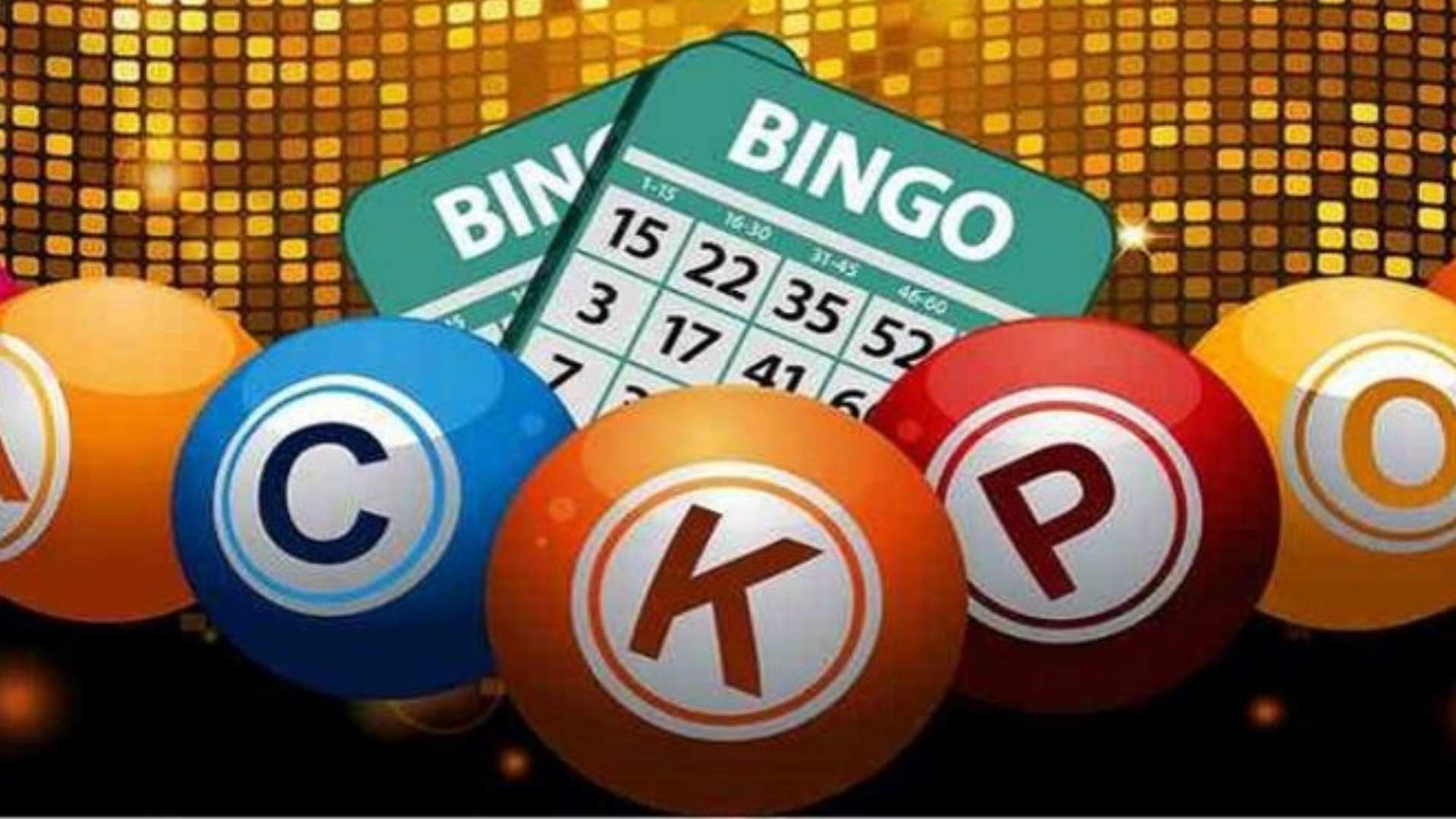
In contrast to tournament brackets, major numerical lotteries like Powerball or Mega Millions operate on pure, unbiased random chance. Players select a specific combination of numbers from set pools, and every single combination shares the exact same likelihood of being drawn. For standard multi-state lotteries, the odds of hitting the grand jackpot typically sit around 1 in 292 million.
Unlike sports brackets, no amount of research, historical analysis, or expert strategy can alter lottery probabilities. Every drawing is completely independent of past results, meaning seasoned participants have the exact same chance of winning as a first-time ticket buyer. For entertainment alternatives, checking out options like link boss domino can offer a different perspective on gaming and probability.
Comparing Skill and Knowledge Impact
The core difference between picking a bracket and entering a lottery drawing lies in the role of human knowledge. Bracket creators use team statistics, offensive ratings, defensive efficiency, and tournament location to make calculated predictions. This element of strategy creates a sense of control and allows skilled analysts to consistently outperform random selection strategies.
Lotteries strip away all elements of personal skill, replacing strategy with absolute mathematical equality. Choosing personal birthdates, lucky numbers, or automated quick picks yields the exact same probability of winning. While bracket picking rewards deep sports expertise, lottery participation remains an exercise in pure statistical randomness.
Which Challenge Presents Better Odds
When comparing absolute numbers, winning a standard lottery jackpot is mathematically far more probable than picking a perfect 63-game bracket by random guessing. A 1 in 292 million lottery chance vastly outperforms the 1 in 9.2 quintillion pure-random bracket baseline. Even when sports knowledge lowers bracket odds to 1 in 128 billion, the lottery still remains significantly more achievable.
Ultimately, both endeavors serve primarily as engaging forms of recreational entertainment rather than realistic financial strategies. Understanding the massive scale of these numbers helps participants maintain a healthy perspective while enjoying the excitement of competition. Whether studying team stats or selecting lottery numbers, acknowledging the math ensures a balanced and responsible approach.