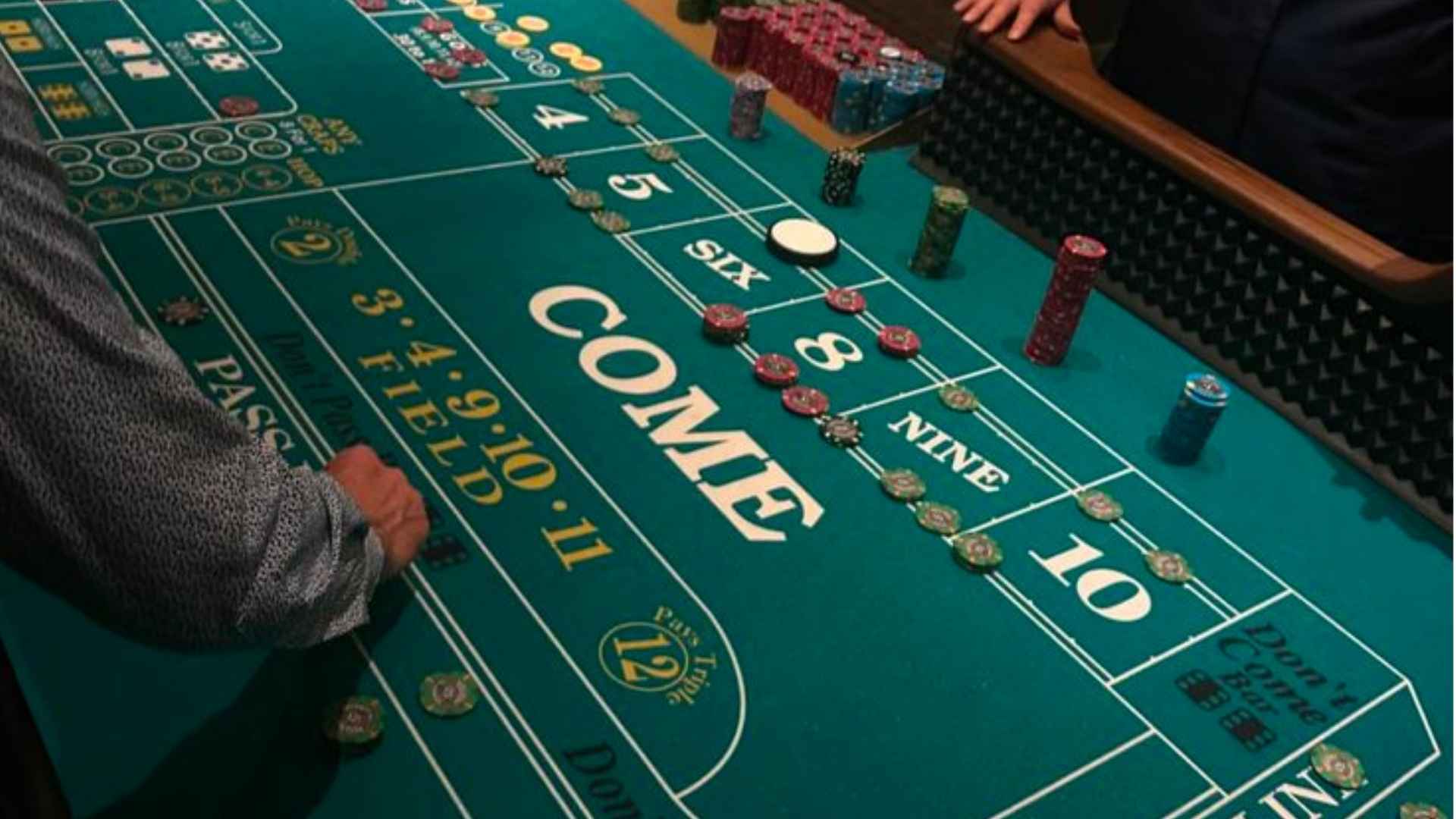
The operational velocity of a baccarat table serves as a primary variable shaping the entire flow of a gaming session. Whether playing at traditional land-based venues or digital live platforms, the time allocated for placing bets and dealing cards directly alters how players experience the game. Understanding this relationship helps participants select environments that align with their personal decision-making comfort and risk tolerance.
The Core Relationship Between Table Velocity and Game Flow
Table speed primarily determines the overall volume of hands completed within a set timeframe. Standard tables allow extended pauses for consideration, whereas high-speed alternatives compress intervals to maximize active dealing time. This structural difference transforms a relaxed, social activity into a streamlined, high-density exercise.
As dealing procedures accelerate, the physical or virtual tempo eliminates downtime between rounds. Players are required to process outcomes and decide their next move within seconds. Consequently, the momentum of the game relies heavily on automated dealing mechanics or well-practiced croupiers.
Impact on Player Decision-Making and Focus
Rapid table speeds place a higher demand on continuous cognitive engagement from participants. When betting windows shrink, the margin for deliberate evaluation disappears, leading players to rely on established routines rather than spontaneous calculations. Over extended periods, this continuous focus can lead to mental fatigue if breaks are not scheduled properly.
For those accessing digital rooms via options like an m88 app download, mobile interfaces are optimized to handle swift betting inputs efficiently. Having smooth software prevents input errors during accelerated countdowns. However, maintaining personal discipline remains essential regardless of how seamless the digital setup feels.
Bankroll Fluctuations Under Accelerated Tempo
The rate at which hands resolve directly impacts bankroll variance over short durations. Faster sessions expose a player's balance to more individual outcomes per hour, which naturally amplifies both winning and losing swings. Without a structured budget, rapid round turnover can consume funds much faster than expected.
Managing stakes carefully becomes vital when transitioning to speed-oriented formats. Lowering unit bet sizes can offset the increased frequency of deals, keeping overall financial exposure stable. This adjustment allows participants to enjoy the swift rhythm without taking on unintended risk.
Selecting the Ideal Table Tempo for Your Style
Choosing between slow, standard, or rapid tables ultimately comes down to personal preference and session goals. Beginners often benefit from measured tables that offer ample time to review third-card drawing rules and table statistics. Conversely, experienced players who prefer efficiency typically favor high-speed environments.
Evaluating your own comfort level ensures a more controlled and pleasant gaming environment. Taking note of how time pressure affects your focus will help you pick the right room limits and speeds. Balancing speed with clear boundaries remains the most reliable strategy for long-term enjoyment.